EXTERNAL
The environment changed.
Student demand, demographics, technology, public trust, regulation, labor markets, and competitors are shifting at the same time.
You are expected to make high-stakes decisions about programs, enrollment, AI, governance, and institutional direction before the evidence is complete. QR Strategic Foresight helps you see what is changing, test what you believe, and make a defensible decision before delay becomes the decision.
The challenge is bigger than forecasting. You are trying to make decisions while structural change is altering the conditions underneath those decisions.
Student demand, demographics, technology, public trust, regulation, labor markets, and competitors are shifting at the same time.
Budget cycles, governance, program review, strategy processes, and committee structures often move more slowly than the problems they are meant to solve.
Leadership means choosing before certainty arrives, then explaining the decision to people who may prefer certainty, consensus, or another year of study.
You need enough evidence to make the decision defensible, enough foresight to understand how it could fail, and enough organizational clarity to execute it. That is the work QR Strategic Foresight is built to support.
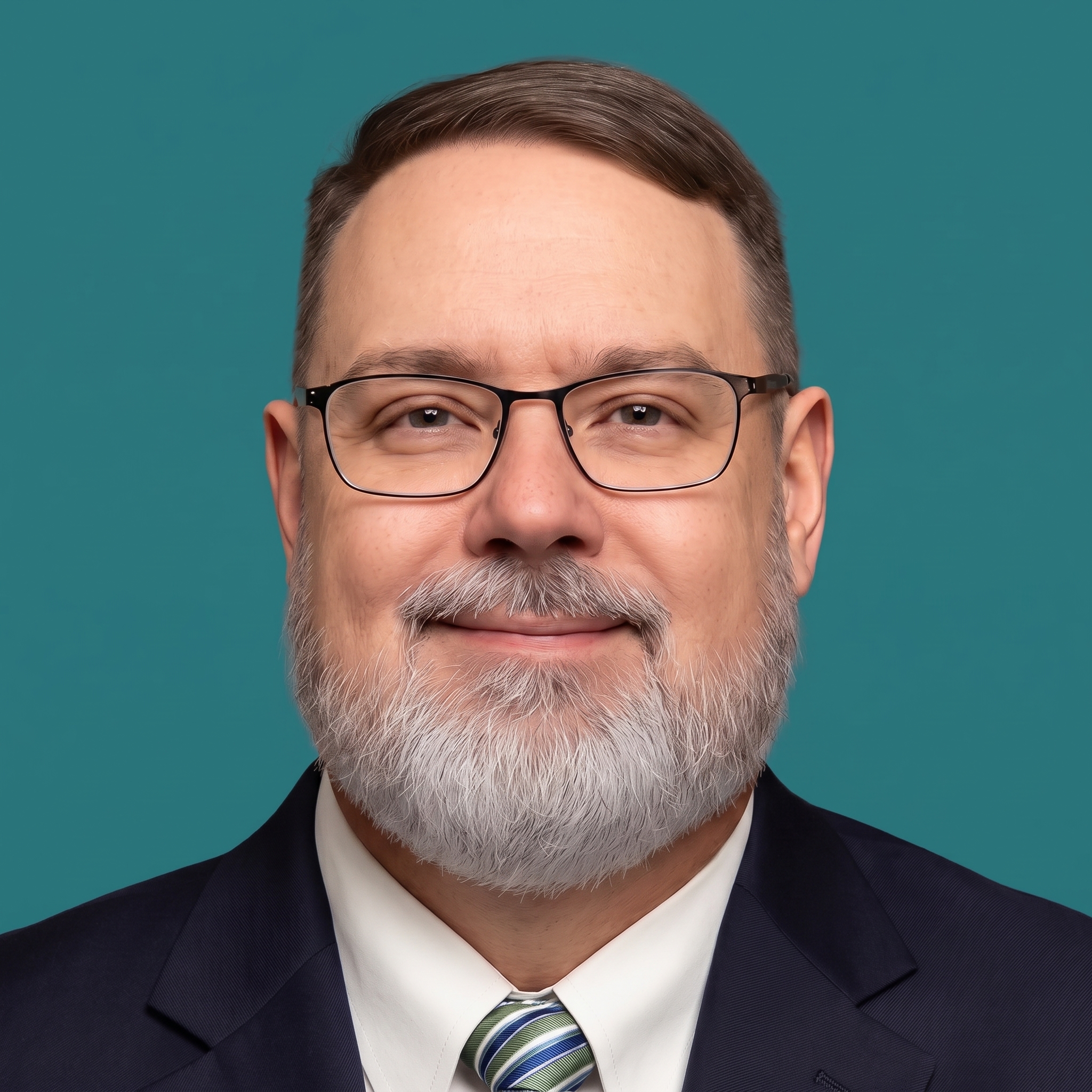
Quinn brings strategic foresight, higher education strategy, program economics, analytics, governance, AI, and decision-making under uncertainty together around the decisions institutional leaders actually face.
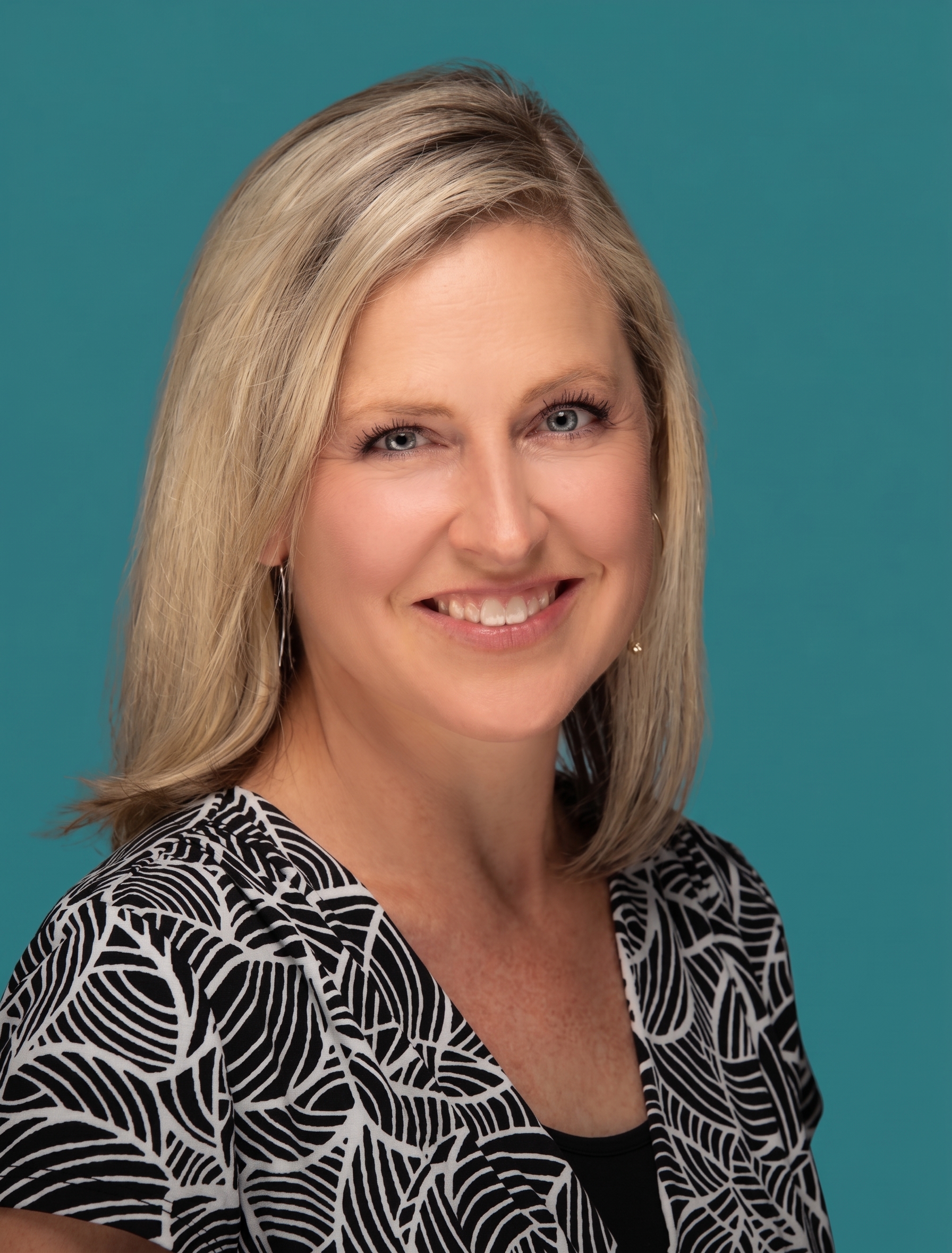
Rachael brings applied AI, executive leadership, national security, international business, strategic management, and organizational transformation to complex decisions where clarity and execution both matter.
No sixteen-phase transformation architecture. You have enough binders already.
Clarify the decision, surface hidden assumptions, identify relevant signals, and separate structural change from background noise.
Combine market evidence, institutional economics, scenarios, governance realities, and downside exposure to see how each option performs.
Define the choice, decision rights, owners, triggers, no-regret moves, communication logic, and next actions.
Our work is organized around the recurring decisions that become dangerous when institutions rely on old assumptions.
Know what to grow, redesign, consolidate, protect, teach out, or investigate before financial pressure turns every program conversation into a crisis.
See where demand is moving and which assumptions about students, geography, modality, price, and competition are no longer safe.
Clarify who recommends, decides, approves, executes, and communicates so important choices do not disappear into institutional fog.
Build signal scanning, assumption testing, scenarios, triggers, and decision protocols into normal leadership work instead of occasional retreat theater.
Decide where AI should augment work, what people must remain capable of doing, and how governance can enable responsible adoption without freezing it.
Use focused executive sessions, scenario workshops, retreats, and facilitation to move a real decision from discussion to action.
The goal is not a prettier strategic plan. It is an institution that is harder to surprise and faster to adapt.
You can explain the decision, the evidence, the assumptions, and the tradeoffs without hiding behind jargon.
You know why the choice is defensible even though uncertainty remains.
The people involved understand their role in recommending, deciding, approving, executing, and communicating.
You know which signals to watch and what would cause you to change course.
When leaders wait for perfect information, institutional options usually get narrower, not clearer.
By the time everyone agrees the problem is real, redesign options may already have disappeared.
Weak signals that could have informed action become explanations for why the forecast failed.
When people cannot tell who owns a decision, frustration rises and accountability becomes performative.
Direct answers to the questions behind most strategic foresight engagements.
Strategic foresight is a disciplined way to identify emerging change, test assumptions, explore multiple plausible futures, and make better decisions before uncertainty is resolved. It complements strategic planning by helping leaders prepare for conditions the current plan may not anticipate.
We help leaders make defensible decisions about academic program portfolios, enrollment and demand, governance and decision rights, strategic scenarios, AI capability, and institutional priorities under uncertainty.
Our primary clients are university presidents, provosts, deans, boards, and leadership teams facing consequential choices where data is incomplete, assumptions are changing, or institutional processes are slowing action.
Forecasting estimates what is most likely to happen. Strategic foresight examines several plausible futures, the assumptions behind them, the signals that would indicate change, and the actions that remain useful across more than one future.
Bring the decision you are facing, the assumption you no longer trust, or the change your institution is not prepared for. We will help you turn uncertainty into a defensible path forward.